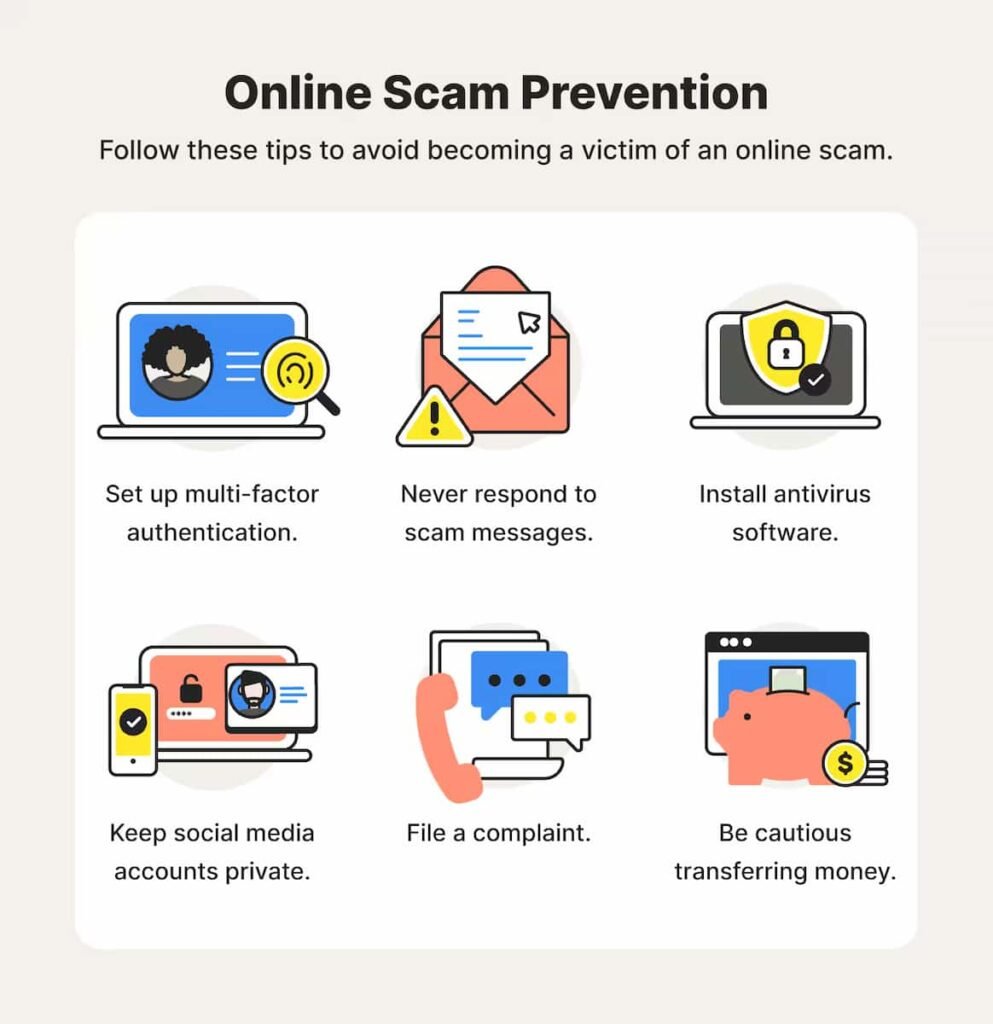
In the world of freelance translation, scams are becoming increasingly common. Every week, translators across the globe receive suspicious job offers, fraudulent payment requests, and other deceptive messages designed to trick them out of money or personal data.
Here’s what every translator—freelancer or agency—should know about how these translation scams work, what red flags to look out for, and how to stay protected.

🎭 Common Tactics Used in Online Translation Scams
Translation scammers operate with surprising creativity. Here are the most frequent methods they use:
Common Translation Scams to Avoid
Unsolicited Job Offers
They approach translators out of the blue with well-paid translation jobs—even when there’s been no prior contact.
Poorly Written Emails
Grammar mistakes, vague project descriptions, or emails from generic domains (like Gmail) instead of company emails are major red flags.
Too-Good-to-Be-True Rates
Scammers often promise extremely high pay to lure in translators—only to scam them later.
Overpayment Scams
They send a fake check for a larger amount and ask you to refund the difference. The original check bounces, leaving you with a loss.
Upfront Payment Requests
Legitimate clients don’t ask translators to pay registration or training fees before starting a project.
Delayed or Missing Payments
Some scammers pose as clients, accept a completed job, and then vanish without ever paying.
Telegram Payment Traps
A rising trend involves directing translators to Telegram bots claiming to be a “finance department”—then requesting a fee (usually $60–75) to “release” the payment.
Fake Checks and Disappearing Clients
Scammers send fake checks for services rendered, take advantage of trust, and disappear without settling remaining balances.
Urgent Project Pressure
Pushing for immediate acceptance of large projects with tight deadlines is another trick to bypass due diligence.
Strange Contract Processes
If a client avoids sending a contract or provides odd invoices with negative balances implying you owe money—walk away.
Unverified Clients
Real clients provide traceable company names, contact info, and professional tools. Scammers do not.
CV Theft and Identity Fraud
Some scammers steal real translators’ CVs, alter contact info, and impersonate them to deceive agencies or get work under false pretenses.
Phishing for Personal Data
They pretend to be from trusted agencies and ask for sensitive information like bank details or ID scans.
Bait-and-Switch Jobs
After offering a well-paid job, they switch to lower-paid tasks or demand unpaid work to “complete the project.”
No Pay After Delivery
The scammer places an order under a fake identity, receives the completed work, and disappears.
Fake Company Presence
Some go as far as creating fake websites, logos, and email addresses to look legitimate.
Suspicious Communication Channels
Insistence on communicating via Telegram or WhatsApp with a “manager” is a common warning sign.
Staged Testimonial Videos
They may even share a staged testimonial video from someone claiming they were paid—but pay close attention. These videos often have awkward delivery, similar-looking actors, and questionable accents.
1. Unsolicited Job Offers
They approach translators out of the blue with well-paid translation jobs—even when there’s been no prior contact.
2. Poorly Written Emails
Grammar mistakes, vague project descriptions, or emails from generic domains (like Gmail) instead of company emails are major red flags.
3. Too-Good-to-Be-True Rates
Scammers often promise extremely high pay to lure in translators—only to scam them later.
4. Overpayment Scams
They send a fake check for a larger amount and ask you to refund the difference. The original check bounces, leaving you with a loss.
5. Upfront Payment Requests
Legitimate clients don’t ask translators to pay registration or training fees before starting a project.
6. Delayed or Missing Payments
Some scammers pose as clients, accept a completed job, and then vanish without ever paying.
7. Telegram Payment Traps
A rising trend involves directing translators to Telegram bots claiming to be a “finance department”—then requesting a fee (usually $60–75) to “release” the payment.
8. Fake Checks and Disappearing Clients
Scammers send fake checks for services rendered, take advantage of trust, and disappear without settling remaining balances.
9. Urgent Project Pressure
Pushing for immediate acceptance of large projects with tight deadlines is another trick to bypass due diligence.
10. Strange Contract Processes
If a client avoids sending a contract or provides odd invoices with negative balances implying you owe money—walk away.
11. Unverified Clients
Real clients provide traceable company names, contact info, and professional tools. Scammers do not.
12. CV Theft and Identity Fraud
Some scammers steal real translators’ CVs, alter contact info, and impersonate them to deceive agencies or get work under false pretenses.
13. Phishing for Personal Data
They pretend to be from trusted agencies and ask for sensitive information like bank details or ID scans.
14. Bait-and-Switch Jobs
After offering a well-paid job, they switch to lower-paid tasks or demand unpaid work to “complete the project.”
15. No Pay After Delivery
The scammer places an order under a fake identity, receives the completed work, and disappears.
16. Fake Company Presence
Some go as far as creating fake websites, logos, and email addresses to look legitimate.
17. Suspicious Communication Channels
Insistence on communicating via Telegram or WhatsApp with a “manager” is a common warning sign.
They may even share a staged testimonial video from someone claiming they were paid—but pay close attention. These videos often have awkward delivery, similar-looking actors, and questionable accents.
🚫 How to Avoid Falling for Translation Scams
Here’s how you can stay one step ahead:
✅ Always Verify Clients
Work only with verified companies and use professional platforms like ProZ Blue Board or Translator Scam Alert Reports to check client legitimacy.
✅ Stick to Official Channels
Use company emails and platforms like MemoQ, Trados, or direct portals—not Gmail or Telegram bots.
✅ Don’t Pay to Work
No legitimate client will ask you to pay to be added to a job list or to “unlock” payments.
✅ Beware of Unusual Requests
If someone asks for immediate work with no details, a payment upfront, or asks to refund part of a payment—you’re likely being targeted.
✅ Use Trusted Job Boards
Stick to established platforms and never trust random job offers via social media or direct messages.
🆘 If You’ve Been Targeted
If you’ve encountered a translation scam:
📌 Final Tip: Trust Your Instincts
When it comes to remote freelance work, especially in translation, caution is your best defense. If something feels off—whether it’s the wording of an email or a too-quick job offer—it probably is.
Do your research, verify every client, and never hesitate to say no.