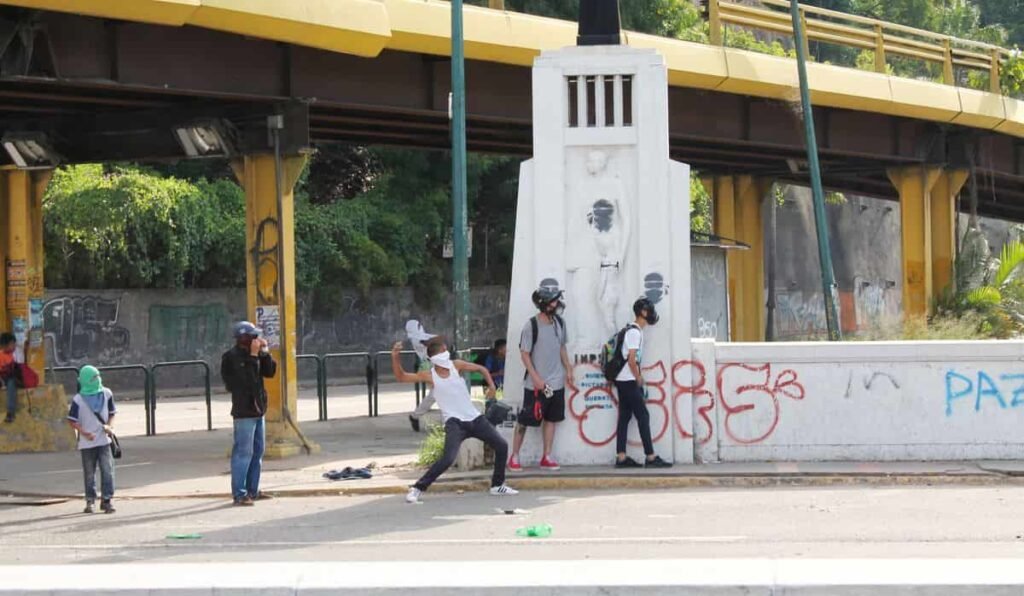
A United Nations fact-finding mission has issued a stark warning about a rapidly worsening human rights situation in Venezuela, particularly as digital technologies are being used to deepen repression and control. The Independent International Fact-Finding Mission on the Bolivarian Republic of Venezuela stressed that serious violations have continued for years and now intersect with modern digital methods of surveillance and information control, heightening risks to Venezuelans across the country.
A Deepening Crisis Beyond Headlines
The Mission’s latest assessment comes amid unprecedented political volatility, including international military developments and ongoing tensions following the capture of President Nicolás Maduro by U.S. forces — an event that itself is denounced by the Mission as a violation of international law.
Marta Valiñas, Chair of the Mission, emphasized that the focus on geopolitics must not eclipse the documented patterns of abuse affecting Venezuelan civilians. According to the Mission’s findings, extrajudicial killings, arbitrary arrests, enforced disappearances, torture, and systemic gender-based violence are ongoing and now often facilitated through digital surveillance systems and state-controlled media ecosystems.
“Human rights violations cannot be sidelined by shifting political narratives,” Valiñas said. “The digital era has given new tools to repress dissent, stifle free expression, and control information flows in ways that deepen harm to everyday citizens.”
Digital Repression: A Modern Tool of Control
The Mission warns that the intersection of technology and repression poses critical dangers. Tools meant to protect and empower — such as surveillance databases, communication monitoring, and algorithmic filtering — are being repurposed to:
- Track and identify dissenters and activists;
- Suppress online expression and independent reporting;
- Manipulate information environments to marginalize opposition voices.
This “digital authoritarianism,” combined with traditional methods of coercion, leaves citizens more vulnerable and isolated than ever before. The Mission has underscored that such tactics often go unreported outside Venezuela due to media restrictions and state censorship.
Accountability and International Action
While condemning unlawful foreign interventions, the Mission is equally clear about the responsibility of Venezuelan authorities — including security forces and political leaders — for systemic abuses rising to the level of crimes against humanity. It stated this responsibility extends beyond any single official to all individuals who directed or facilitated repressive actions.
Experts in the Mission called on the international community to strengthen accountability mechanisms, especially those enabled by digital technologies. What’s needed, they argue, are robust tools for evidence verification, real-time monitoring of at-risk populations, and secure channels that allow civilians to report abuses safely.
The Role of Technology in Rights Protection
The fact-finding team also urged technology developers, OSINT analysts, and digital forensic experts to contribute to human rights monitoring efforts. Suggested priorities include:
- Advanced verification systems for collected digital evidence;
- AI-driven models that can flag risks to vulnerable groups;
- Encrypted, secure platforms for civilians to document and share human rights violations.
This call to action reflects a recognition that in the information age, accountability must be backed by technical innovation capable of penetrating controlled media landscapes and resisting manipulation.
Looking Ahead
As Venezuela enters a period of heightened instability, the UN Mission warns that human rights protections must be central, not peripheral, to international responses. Repression, whether physical or digital, cannot be ignored in favor of geopolitical considerations.
“The rights of the Venezuelan people must come first — always,” the Mission concluded.